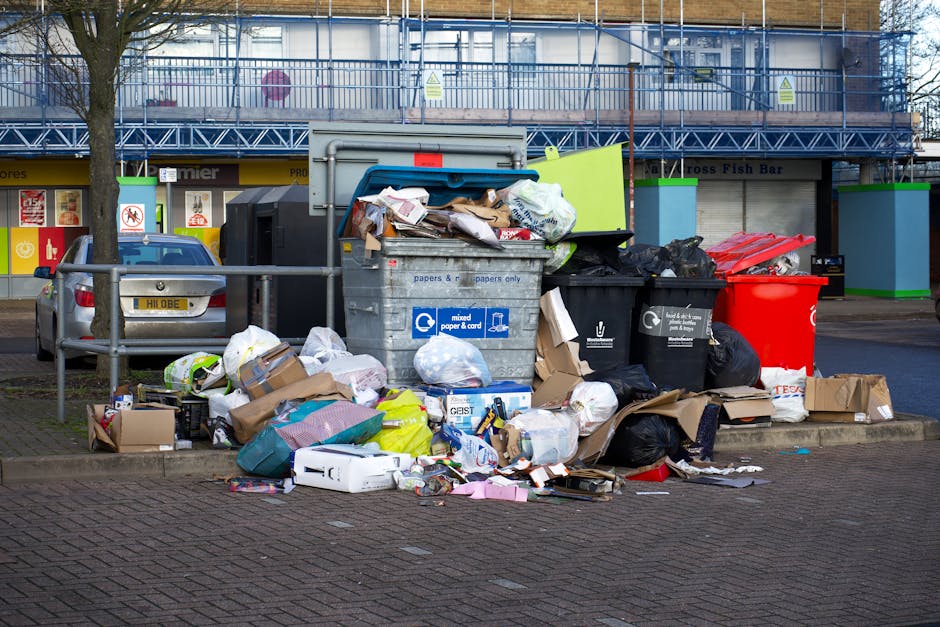
Brompton Road rubbish removal guide for Knightsbridge homes
If you live near Brompton Road, you already know the area has its own rhythm: elegant buildings, tight access, busy pavements, and not much patience for a messy pile of rubbish sitting outside the door. This Brompton Road rubbish removal guide for Knightsbridge homes is designed to help you deal with unwanted items quickly, safely, and without turning a simple clearance into a long afternoon of stress. Whether you are clearing a flat, refreshing a family home, or dealing with builder's waste after works, the right approach saves time, protects your property, and makes the whole job feel much lighter.
In Knightsbridge, rubbish removal is rarely just about lifting things out. It is about planning around access, choosing the right disposal method, understanding what can and cannot be taken, and making sure everything is handled responsibly. Let's face it, a last-minute skip decision is not always ideal when parking is awkward and the street is already busy. The good news is that there are clean, practical ways to manage it.
Table of Contents
- Why Brompton Road rubbish removal guide for Knightsbridge homes matters
- How Brompton Road rubbish removal guide for Knightsbridge homes works
- Key benefits and practical advantages
- Who this is for and when it makes sense
- Step-by-step guidance
- Expert tips for better results
- Common mistakes to avoid
- Tools, resources and recommendations
- Law, compliance, standards, or best practice
- Options, methods, or comparison table
- Case study or real-world example
- Practical checklist
- Conclusion
- Frequently Asked Questions
Why Brompton Road rubbish removal guide for Knightsbridge homes Matters
Brompton Road and the surrounding Knightsbridge streets are attractive, high-value, and very much lived in. That sounds obvious, but it matters because rubbish removal here has different pressures from a typical suburban job. Space is tighter. Access can be awkward. Lift availability in flats may be limited. And if you are in a mansion block, converted townhouse, or top-floor flat, every item has to be moved with care.
The practical issue is that clutter builds up quietly. One broken wardrobe becomes two chairs, then an old mattress, then a box of packaging from a recent delivery. Before you know it, the spare room becomes storage. We have all seen it. A bit at a time, the space just disappears.
Good rubbish removal helps with more than tidiness. It can improve safety, prevent pest issues, reduce trip hazards, and make a home feel usable again. It also matters emotionally. People underestimate the relief of looking into a clear hallway or open loft and thinking, finally, that is sorted.
For Knightsbridge homes, there is another layer: presentation. Neighbours, porters, building managers, and visitors all notice what is left outside. Keeping clear, controlled removal standards helps avoid awkward conversations and keeps your property looking cared for.
How Brompton Road rubbish removal guide for Knightsbridge homes Works
In simple terms, rubbish removal is the collection, sorting, loading, and responsible disposal of unwanted household items. In practice, the process depends on the type of waste and the property layout. A flat clearance is usually handled differently from garden waste or builders' rubble, and a single sofa is different again from a full house clearance.
A sensible removal process usually starts with a quick assessment: what needs to go, how bulky it is, whether anything is hazardous, and how easy it will be to move it out safely. Then comes planning. That may include timing the removal to avoid busy periods, checking lift access, protecting floors and communal areas, and deciding whether a full or partial clearance is best.
From there, items are removed and sorted. Reusable furniture may be separated from general waste. Electrical items may need special handling. Materials that can be recycled are usually kept apart where possible. If you are dealing with specialist items, it helps to know the difference between general rubbish, bulky waste, and regulated waste. Not glamorous, but useful.
If you want to understand broader service options, the main waste removal service overview is a helpful starting point. For homes undergoing a bigger reset, the home clearance and house clearance pages are also relevant because they cover larger, room-by-room clearouts.
Key Benefits and Practical Advantages
The biggest benefit is simple: you get your space back. But there are a few other advantages that people in Knightsbridge often appreciate once the job is done.
- Faster turnaround: A planned removal can clear a room in hours rather than dragging on for days.
- Less physical strain: Heavy lifting, awkward stairs, and narrow corridors are exactly where people get caught out.
- Cleaner finish: Professional removal keeps shared hallways, carpets, and hard flooring in better shape.
- Better recycling outcomes: Sorting items properly can keep more material out of general waste.
- Lower stress: You are not left wondering where to take the old sofa or how to dispose of a broken appliance.
There is also a subtle but real benefit for property value and presentation. A well-kept home feels more spacious. Buyers, tenants, and even guests tend to notice that. And while rubbish removal is not glamorous, it can make a room look twice as large. Funny how that works, isn't it?
For larger or mixed items, related services such as furniture clearance, furniture disposal, and mattress and sofa disposal can be especially useful. They help match the method to the item, which is usually where the time savings happen.
Who This Is For and When It Makes Sense
This guide is for anyone living on or around Brompton Road who wants a practical way to remove unwanted items without causing disruption. That includes long-term homeowners, landlords, tenants, flat owners, and people managing inherited property or renovation work.
It makes particular sense if:
- you have bulky items that are hard to move through a staircase or lift
- you are clearing a flat after a tenancy change
- you are downsizing and need to clear rooms in stages
- you have old appliances, mattresses, or broken furniture taking up space
- you are finishing a refurbishment and need builder's waste removed promptly
- you want a tidy, low-disruption solution rather than multiple trips to a disposal site
If you are dealing with lofts, garages, or storage-heavy areas, the related clearance services can save a great deal of hassle. For example, loft clearance works well when the job is mostly old boxes, seasonal items, and forgotten furniture. garage clearance is useful where tools, mixed junk, and heavy household overflow have accumulated over time.
And if your property includes a compact flat, which is common in Knightsbridge, flat clearance is usually the closest fit because it takes access, building rules, and speed into account.
Step-by-Step Guidance
Here is a straightforward way to handle rubbish removal without overcomplicating it.
- Walk through the property. Make a list of everything that needs to go. Be honest. That corner chair that "might come in handy one day" usually never does.
- Separate items by type. Put furniture, appliances, general rubbish, green waste, and potential hazardous items into different groups.
- Check for anything special. Paint, chemicals, gas bottles, broken electronics, and certain appliances may need extra care.
- Measure bulky items and access points. Door widths, stair turns, lift size, and parking access can all affect the plan.
- Choose the right clearance method. Decide whether you need a small collection, a room clearance, or a more complete property clearance.
- Prepare the route out. Clear hallways, protect surfaces if needed, and let building management know where appropriate.
- Book the removal. Pick a time that suits building access and avoids unnecessary disruption.
- Confirm sorting and disposal expectations. Ask how reusable or recyclable items are handled, especially if you want an environmentally responsible approach.
A practical example: if you are removing a sofa, a mattress, and several black bags after a bedroom refresh, the job may be simple enough to combine into one visit. If, however, you also have old paint tins, a fridge, and bags of renovation debris, that is a different setup entirely. Better to flag it early. It saves back-and-forth later.
For appliance-heavy jobs, fridge and appliance removal is the more suitable route. For construction leftovers, builders waste clearance is the relevant option.
Expert Tips for Better Results
Most removal jobs go more smoothly when the preparation is a little more deliberate. Not perfect. Just deliberate.
Start with the heaviest or most awkward item. If you can get the sofa, wardrobe, or appliance out first, the rest of the job usually feels easier. The room opens up, and you get momentum.
Use room-by-room sorting. It is easier to make decisions when you are not staring at the whole house at once. Tackle one room, close the door, move on. That keeps things sane.
Keep a "maybe" pile very small. People often slow themselves down by creating a pile of items they are "not sure about." Fair enough, but if every item is questionable, the pile becomes a new storage problem.
Think about future use. If you are replacing furniture, choose removal timing that lines up with delivery. That way, you are not living around boxes for a week and stepping over packaging every morning.
Ask about reuse and recycling. In many cases, items in decent condition can be separated from waste. That is better for the environment and, frankly, just more sensible.
If sustainability matters to you, take a look at recycling and sustainability. It gives a clearer sense of how a responsible clearance approach should be handled. If you are comparing what can be included in different disposal methods, what can go in a skip is useful background too, even if you ultimately decide a direct clearance is the better fit.
Common Mistakes to Avoid
In Knightsbridge homes, the biggest mistakes are usually practical, not dramatic. A little planning avoids most of them.
- Leaving access checks too late. Narrow staircases and small lifts can change everything.
- Mixing hazardous and general waste. This creates handling problems and can delay removal.
- Underestimating item volume. One room always looks smaller once you start measuring properly.
- Forgetting building rules. Some properties have strict timings or loading restrictions.
- Trying to clear everything in one rush. That is how items get damaged and hallways get scuffed.
- Assuming every item is handled the same way. A mattress, a fridge, and a box of paperwork do not belong in the same mental category.
One common slip is keeping the "easy" items for last. It sounds harmless, but the awkward things are often the real problem. Get them identified early and you are already halfway there.
If the job includes sensitive documents, a simple rubbish removal service may not be enough. In that case, confidential shredding can be a smarter choice for paperwork that should not just be thrown away casually.
Tools, Resources and Recommendations
You do not need a huge toolkit, but a few basic things make a clearance much smoother.
- Heavy-duty bags: Useful for mixed household waste and soft items.
- Gloves: Especially helpful when sorting lofts, garages, or older storage areas.
- Measuring tape: Handy for doors, lifts, and bulky furniture.
- Labels or sticky notes: Great for marking keep, donate, remove, and unsure piles.
- Floor protection: Worth using if items are being moved through polished wood or stone.
For most homes, the right starting point is to match the service to the waste type. That is the simplest way to avoid paying for the wrong thing or booking a method that does not fit your access. If you are clearing a whole property, house clearance and home clearance are both relevant depending on scale and layout.
If your job is more office-like than domestic, even in a home setting, office clearance can be useful for desks, filing units, IT equipment, and mixed work items. That is common in home studies, especially now and then.
For a proper next step, it also helps to review pricing and quotes so you know how estimates are usually built. And if you want to understand service standards before booking, about us gives useful background on the company approach, while insurance and safety explains the kind of protection and working care you should expect from a professional provider.
Law, Compliance, Standards, or Best Practice
Rubbish removal in the UK is not just about moving items away. There are legal and practical responsibilities around waste handling, especially if any part of the load could be classed as controlled, hazardous, or specialist waste.
For homeowners, the main principle is simple: do not hand waste to someone who cannot show they handle it properly. Responsible disposal means items should be transported and dealt with through lawful routes. If a company is vague about where waste goes, that is a warning sign. You do not want your old sofa turning up in a ditch somewhere. Nobody does.
Best practice also includes:
- separating different waste streams where practical
- identifying hazardous items before collection
- protecting shared areas during removal
- keeping records or paperwork where appropriate
- using insured, trained people for heavier or more complex lifting
Some waste types need extra care. For example, fridges, appliances, and certain electronics may need separate handling because of materials or components inside them. Hazardous items should never be mixed in casually with general rubbish. If in doubt, ask first. It is much easier than fixing a mistake later.
It is also smart to check the provider's own policies. health and safety policy should tell you how risks are managed in practice, and payment and security can reassure you that the booking and payment process is handled properly. Small things, maybe, but small things matter when you are letting someone into your property.
Options, Methods, or Comparison Table
Choosing the right clearance method usually comes down to access, item type, and how much time you want to spend dealing with it yourself. Here is a plain-English comparison.
| Method | Best for | Strengths | Possible drawbacks |
|---|---|---|---|
| DIY trips to disposal sites | Very small amounts of waste | Can be cheap if you already have transport | Time-consuming, tiring, and awkward for bulky items |
| Skip hire | Ongoing renovation or repeated waste | Useful if waste will build up over several days | Needs space, planning, and may not suit tight Brompton Road access |
| Man-and-van style clearance | Mixed household waste and bulky items | Quick, flexible, and often better for flats and homes with limited access | Less suitable for long-term waste buildup if not planned well |
| Full property clearance | Large moves, probate, downsizing, or end-of-tenancy work | Covers multiple rooms and item types in one go | Needs a clear brief and more preparation |
For Brompton Road properties, the direct clearance route is often the easiest because access and timing can be more important than volume alone. A skip may work in some cases, but it is not always the neatest choice in a dense London setting. If you are weighing up waste containers, the skip guidance page can help you sense-check what is practical before deciding.
For furniture-heavy clearouts, furniture disposal often makes more sense than trying to force everything into a mixed waste plan. It keeps the process clearer, and often cleaner too.
Case Study or Real-World Example
Here is a realistic example from the kind of situation many Knightsbridge residents face.
A couple in a Brompton Road apartment wanted to prepare for a redecoration and new flooring. The flat had an old three-seater sofa, two armchairs, a mattress, a coffee table, several bags of books, and a few broken bits from storage that had been sitting in the spare room for years. Nothing extreme. Just that familiar buildup of things that "will be dealt with later."
The main challenge was not quantity. It was access. The lift was small, the corridor was narrow, and the building had specific quiet hours. So the job needed care. The items were sorted first, the route out was cleared, and the larger pieces were removed before the smaller bags. That kept the hallway tidy and reduced pressure on the neighbours.
Because the sofa and mattress were the most awkward items, they were handled through the right specialist routes rather than bundled into a one-size-fits-all approach. The result was a clean flat, less disruption, and a renovation that could start on time. Nothing magical. Just good planning and a sensible order of work.
That is usually how these jobs go, to be honest. The best outcomes are rarely flashy. They are just well organised.
Practical Checklist
Use this quick checklist before booking or starting your clearance.
- Have you listed every item that needs to go?
- Do you know whether any items are hazardous, electrical, or special disposal cases?
- Have you measured bulky items and checked access points?
- Is there enough space in hallways, entrances, and lifts for removal?
- Have you separated keep, donate, recycle, and remove piles?
- Do you need a flat clearance, house clearance, or just a small furniture pickup?
- Have you checked whether the building has access rules or restricted times?
- Have you reviewed the provider's safety, insurance, and payment information?
- Do you know whether you need confidential shredding or appliance removal alongside general rubbish?
- Have you chosen a date that works with any deliveries, repairs, or decorators?
If you can tick most of those boxes, you are already in a strong position. The job will feel easier, and the final result will usually be better. Simple as that.
Conclusion
For Knightsbridge homes, rubbish removal is best handled as a small project rather than a last-minute chore. Brompton Road properties often need a little extra thought because access, building rules, and presentation all play a role. But once you break the process down into item type, access, and disposal method, it becomes much more manageable.
Whether you are clearing a single room, dealing with a bulky sofa, or emptying a whole property, the smartest route is the one that fits your home rather than forcing your home to fit the waste problem. That approach saves time, reduces stress, and usually gives you a cleaner, safer finish.
Get a free quote today and see how much you can save.
And if you are still weighing up the details, take your time. A well-planned clearance has a calm, satisfying feel to it. One less thing hanging over you. That can make a real difference.
Frequently Asked Questions
What is the best way to arrange rubbish removal for a Brompton Road home?
The best approach depends on the amount and type of waste. For smaller loads, a direct collection can be simplest. For larger or mixed loads, a room clearance or full property clearance is usually more efficient. Access matters a lot in Knightsbridge, so it helps to choose a method that suits your building layout.
Can bulky furniture be removed from flats on Brompton Road?
Yes, bulky furniture can usually be removed from flats, but it may need careful planning. Narrow staircases, small lifts, and shared hallways can affect how the job is handled. It is wise to measure larger pieces and check access before booking.
Do I need a full house clearance or just a waste removal service?
If you are only getting rid of a few items or bags of waste, a general waste removal service may be enough. If you are clearing multiple rooms, downsizing, or dealing with an empty property, a house clearance or home clearance is often more suitable.
What should I do with old mattresses and sofas?
Mattresses and sofas are bulky items and are often better handled through a specialist disposal route rather than general rubbish. This helps ensure they are moved safely and dealt with properly. It also makes the loading and transport process smoother.
Can appliances like fridges and ovens be taken away?
Yes, appliances can often be removed, but they may need specialist handling depending on the item. Fridges, for example, are not the same as standard household rubbish. It is best to flag appliances early so they can be included in the right type of collection.
What if I have paint, chemicals, or other hazardous waste?
Hazardous items should be identified before collection. They should never be mixed casually with general rubbish. If you have anything that could be hazardous, ask about the correct route for disposal before the clearance begins.
How do I prepare a Knightsbridge flat for rubbish removal?
Start by separating items into keep and remove piles, then clear a route through the property. Check lift access, stair widths, and any building rules. If you can, group the items together near the exit point to reduce handling time.
Is skip hire better than rubbish removal for Brompton Road properties?
Not always. Skip hire can be useful for bigger renovation projects, but it needs space and may be less convenient in a tight urban setting. Direct rubbish removal is often better for flats and homes with limited access or when you want a quicker, tidier process.
How can I tell if a waste company is handling rubbish responsibly?
A responsible provider should be clear about what they take, how waste is sorted, and how it is disposed of. They should also have sensible safety practices and appropriate insurance. If the answers are vague, that is worth pausing over.
Can you clear a home gradually rather than all at once?
Yes, and many people do. Gradual clearing is often a good option if you are downsizing, redecorating, or sorting a long-neglected loft or garage. It can make the job feel less overwhelming and easier to manage around everyday life.
What is the difference between furniture clearance and furniture disposal?
Furniture clearance usually refers to removing multiple items, often as part of a room or property clearout. Furniture disposal is more specific and focuses on taking away particular items like sofas, tables, or wardrobes. The right choice depends on how much needs to go.
How far in advance should I plan rubbish removal?
As early as you reasonably can, especially if access is limited or you need the job done around builders, decorators, or a move-out date. Even a short bit of planning helps avoid delays. In busy London homes, that small head start can save a lot of hassle.
If you are ready to compare options or want more confidence before booking, look through the service details that best match your situation, then take the next step when it feels right. A tidy home has a way of making everything else feel a bit more possible.