Business Waste Removal in Knightsbridge

Business waste removal in Knightsbridge needs to be practical, discreet and well organised, especially where offices, retail units, showrooms and hospitality premises all work within a compact central London setting. We provide a straightforward service for recurring commercial waste and one-off clearances, helping businesses manage unwanted materials without complicating the day. The emphasis is on collecting the right items, separating reusable or recyclable material where appropriate, and keeping the process clear from the first enquiry to the completed collection.
Our business waste removal service covers a range of common commercial waste streams, including office clutter, packaging, furniture, confidential paperwork for shredding and mixed items that have built up over time. For many customers, the main value is having one reliable point of contact for waste that no longer has a useful place on site. You can plan a collection around your working day, keep the job focused on the spaces that matter most, and decide whether you need a regular arrangement or a single clearance.
If you are comparing options, the simplest next step is to request a quotation with a short description of the items and the access available. You can also take a look at our pricing and quotes information if you want to understand how costs are assessed before you proceed.
Commercial waste collections for offices and workspaces
Office waste often includes a mixture of paper, cartons, packaging, damaged chairs, filing cabinets and general clutter left behind after reorganisation or refurbishment. A good clearance plan separates items that can be handled efficiently from those that need extra care, such as confidential documents or heavier office furniture. We work with these practical differences in mind, so the collection can be organised around the layout of the building and the nature of the items being removed. Where a business is trying to clear a room quickly, clarity about access, floors and loading arrangements helps keep the job orderly.
For customers with recurring waste, a regular collection pattern can be more useful than waiting until the storage area is full. That might suit smaller offices, shared workspaces, clinics or studios that generate predictable waste volumes through the week. In other cases, a one-off visit is the better fit, especially after an office move, furniture replacement or internal reconfiguration. If your requirement includes items that should not be mixed with ordinary rubbish, it is sensible to separate those early and mention them when you enquire. That makes it easier to arrange the right type of service and avoid unnecessary delays.
What is commonly included
- General business waste from desks, storage rooms and back-of-house areas
- Office furniture such as desks, chairs, shelving and filing items
- Packaging, cardboard and mixed lightweight commercial rubbish
- Confidential shredding where secure document disposal is needed
Furniture, fixtures and bulky item removal
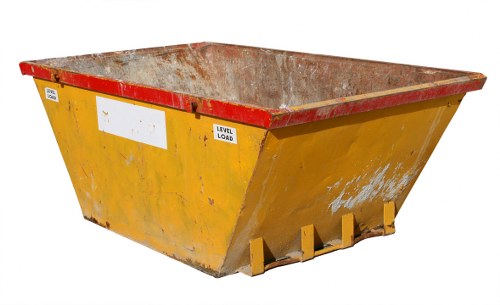
Commercial premises often need help with bulky items that cannot simply be set aside for ordinary waste handling. Old desks, boardroom tables, reception seating, shop fittings and worn storage units can take up space long after they have ceased to be useful. Removing these items in a controlled way keeps the premises workable and reduces the disruption caused by awkward loading or repeated handling. The process is usually simpler when the items are described clearly in advance, because that allows the collection to be planned around weight, size and access.
Furniture disposal can also form part of a wider clearance when a business is changing layout or replacing equipment. In those cases, the work is less about a single item and more about removing a group of objects that have different shapes and handling needs. A heavy cabinet may need a different approach from flat-pack shelving, and upholstered items may need to be moved in a way that protects corridors and entrances. If you are uncertain what belongs in the collection, a brief inventory is enough to start the conversation. Clear descriptions are usually more helpful than long explanations.
We also handle related domestic-style items when they are being removed from commercial premises, such as sofas, mattresses or appliance units stored in a workplace, staff room or managed property. The key is to match the collection to the actual site use rather than to an assumption about the building. That is why the service is best discussed in terms of the items, the location of the waste and the access route rather than simply the name of the premises.
Confidential shredding and sensitive material handling
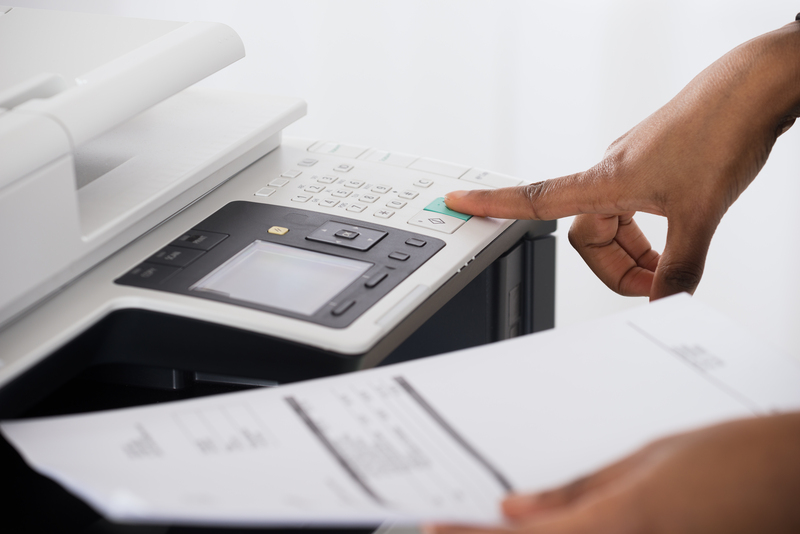
Some businesses need more than standard waste removal, especially where paper records, archived files or other sensitive materials are being cleared out. Confidential shredding is designed for those situations, where disposal needs to be handled in a way that supports privacy and orderly document removal. This is useful when filing systems are being reduced, records are being digitised or storage rooms need to be returned to use. The practical aim is to remove the material efficiently while keeping the process straightforward for the business team.
It is sensible to treat sensitive items separately from ordinary office waste, because the handling requirements are different. Paper in archive boxes, loose paperwork and mixed office material may all need distinct treatment depending on how they are stored and what the business wants to achieve. If the paperwork is mixed with general clutter, you can still describe the area and the approximate volume in simple terms. For larger clearances, mentioning whether the material is boxed, bagged or still on shelving helps shape the collection. When confidentiality is a concern, keeping the instructions specific is always better than offering vague estimates.
Where a clearance includes both standard business waste and secure material, we can help keep the categories separate so each part of the job is dealt with appropriately. That may involve removing confidential documents first, then handling the remaining office waste in the same visit. For many customers, this is the most efficient way to clear a back room, archive area or underused storage space without disrupting the rest of the premises. If you need to move ahead, ask for a quotation once you have the main items listed.
Business waste streams and practical sorting
Different types of business waste benefit from different handling decisions, even when they all leave the building together. Cardboard, packaging, office paper, furniture, appliances and mixed rubbish are not the same thing in operational terms, and the way they are grouped before collection can make the process smoother. Where possible, separating obvious recyclable material from mixed waste can simplify loading and reduce confusion on site. This is especially useful in offices and retail settings where waste accumulates in back rooms, stock areas or shared storage spaces.
Sorting does not have to be complicated. A simple separation between paperwork, bulky items, cardboard and mixed rubbish is often enough to create a more workable collection plan. If you have items that need special attention, such as old electronics or appliances, it is worth naming them directly rather than bundling them into a general description. The cleaner the description, the easier it is to match the service to the actual job. Businesses that plan ahead often find it simpler to identify what stays, what goes and what should be handled with a little more care. That clarity can save time on the day.
Our service can support a one-time clearance after a refurbishment, or a repeat collection pattern for ongoing waste from a busy premises. Either way, the idea is to keep waste moving out of the building in a structured way, rather than letting it interfere with storage, circulation or presentation. For premises with customer-facing areas, this can be particularly helpful because clutter in the wrong place can quickly affect how the space functions.
About Knightsbridge
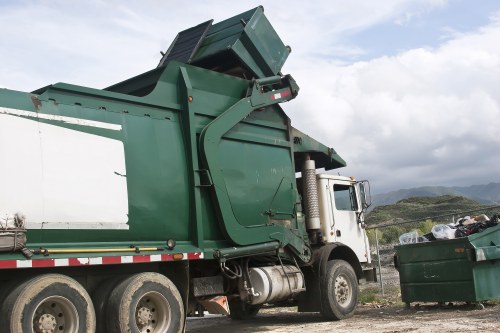
Knightsbridge is a district in central London that is closely associated with affluent residential streets, international shopping and high-profile cultural destinations. It lies between Hyde Park and the western approaches to central London, with its name tied to the historic crossing over the River Westbourne. Over time, the area developed from a settlement around the old bridge into a fashionable part of the city, shaped by Georgian and later Victorian building campaigns. Its streets include a mix of large mansion blocks, embassies, luxury hotels and long-established commercial addresses, many of them set within a dense urban street pattern that reflects centuries of change. Brompton Road and Knightsbridge itself are among the best-known thoroughfares, while nearby Exhibition Road leads toward major museums and institutions in South Kensington. The area is also defined by strong architectural contrasts: formal terraces, grand apartment buildings and more recent retail developments sit close to one another, producing a layered townscape rather than a uniform one. Hyde Park provides the district with an expansive green edge to the north, while the wider surroundings connect it to Belgravia, Chelsea and South Kensington. The result is a place where residential life, visitor activity and commercial use overlap in a relatively small area, giving Knightsbridge a distinctive place within London’s West End and inner borough landscape.
Clearance for shops, showrooms and visitor-facing premises
Retail and visitor-facing spaces often generate waste that is different from what you find in an ordinary office. Stockroom clutter, display units, broken fittings, seasonal packaging and redundant fixtures can build up in a way that interferes with presentation as well as storage. Removing those items methodically helps restore usable floor space and keeps the back-of-house area under control. In showrooms, the aim is usually to clear items without disturbing the rest of the layout any more than necessary, which means the collection needs to be organised with attention to access and the order in which items are moved.
These jobs often benefit from a short, practical discussion before the visit. A shop or showroom may need certain items left in place while others are removed from the basement, rear room or upper floor. If access is narrow, or if items must be taken through customer areas, that should be mentioned so the collection can be planned carefully. We also see situations where businesses want to remove a mix of goods: packaging from a delivery, damaged display units and old stockroom furniture all in one clearance. When that happens, the work is usually easier if the items are grouped into categories before the collection begins.
For more complex premises, it can help to think about the order in which the space will be used after the removal. Clearing the heaviest items first may open the route for everything else, while lighter waste can be handled once the main obstructions are gone. That approach reduces unnecessary handling and makes the space more workable by the end of the visit.
Planning a business waste collection
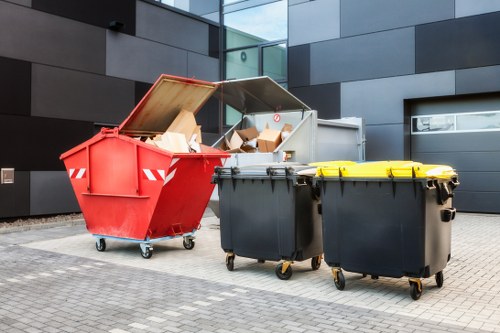
A well-planned collection starts with a clear picture of what needs to go. The most useful information is usually simple: the type of waste, the approximate quantity, the floor or room it is in and whether there are any access limitations. For business waste removal, that is often enough to shape a suitable arrangement. If items are spread across several rooms, it helps to identify which ones are the priority so the collection can be sequenced efficiently. This is especially important in busy premises where access to corridors, lifts or loading points may be limited at certain times of day.
Two practical points make a real difference when arranging a quotation: first, whether the waste is mixed or already sorted; second, whether any items are fragile, heavy or confidential. Those details affect how the visit is planned and how the team approaches loading on site. You do not need to write a long brief. A short list is usually enough, and if photographs are available, they can help confirm the volume and the access conditions. That said, written descriptions still matter, because they help explain what is included in the job and what should stay behind.
When you are ready, use a straightforward enquiry to set out the basics and ask for a quotation. If the job is straightforward, that can be quick. If it is part of a larger office move, refurbishment or end-of-tenancy clearance, it may help to describe the sequence of work you want completed so the collection can be organised in a way that suits the site.
Recycling and responsible disposal decisions
Business waste collection is not only about moving items out of a building; it is also about deciding which materials can be separated and handled appropriately. Cardboard, paper, certain appliances, metal fixtures and some office furniture may require different disposal routes from mixed rubbish. Where recycling is possible, it is generally best to keep clean material separate from contaminated or mixed waste, because that makes processing more straightforward. For businesses, this can be useful both operationally and in terms of keeping a clearer handle on what leaves the premises.
Responsible disposal also means recognising when an item needs specific treatment rather than being sent with general waste. Fridges, electrical units, damaged appliances and certain other items can raise handling questions that should be identified early. If you are unsure how to describe a particular item, give its function, approximate size and current condition. That is often enough to identify the correct collection approach. We can then organise the removal in a way that fits the nature of the waste rather than forcing everything into one broad category. Accurate detail matters more than long explanations.
Some businesses prefer to handle recycling as part of a wider clearance; others want it separated so the remaining waste is easier to manage. Both approaches can work, provided the items are described properly at the start. What matters is that the collection reflects the actual contents of the premises and avoids unnecessary sorting on the day.
Typical business waste tasks and site arrangements

Business waste removal can cover a broad range of tasks, but the common thread is that the collection needs to fit the space and the working pattern of the premises. Offices may need help after a reconfiguration; retail units may need stockroom clearance; managed buildings may need periodic removal of mixed waste from shared areas. In each case, the right approach starts with the items themselves, then moves to access, timing and the level of sorting required before loading begins. That is why practical details are more valuable than general statements about the building.
Useful preparations are simple and should not take over the whole process. A short list of items, a note of any heavy pieces and a description of how the waste is stored will usually be enough. If there are stairs, restricted lifts or narrow entrances, mention them so the collection can be planned responsibly. You may also find it helpful to indicate whether the job is a one-off clearance or part of a repeating waste arrangement, because that affects the sort of service most likely to suit your premises. If you want to move forward, send the details and request a quotation.
For businesses in Knightsbridge, the benefit of a well-structured collection is that it helps clear the way for the next use of the space without creating extra work in the meantime. Whether the job involves offices, retail stockrooms or mixed commercial premises, a focused clearance makes it easier to keep the building organised and ready for normal operation.
Choose a waste collection that fits your premises
Not every commercial waste job needs the same level of handling, which is why it helps to match the service to the actual space. A small office may only need a simple collection of packaging and unwanted paperwork, while a larger premises may need several categories of items removed in one visit. In both cases, the essential factors are the same: what is being taken away, where it is located and how it should be handled once it leaves the building. That practical focus keeps the service useful rather than generic.
Our approach is intended to support businesses that want a straightforward collection without unnecessary complication. If you have furniture to remove, confidential paper to handle or mixed waste that has built up over time, it is easier to arrange the right service once the job is described clearly. You do not need to overstate the scale of the work or turn it into a lengthy project brief. A concise explanation is often enough to get started, especially when the aim is simply to clear space, restore access or finish a planned change in the premises.
For the final step, make your enquiry and ask for a quotation. If you already know the key items and access details, that is usually the best place to begin, and it helps us respond with a service that suits the actual collection.